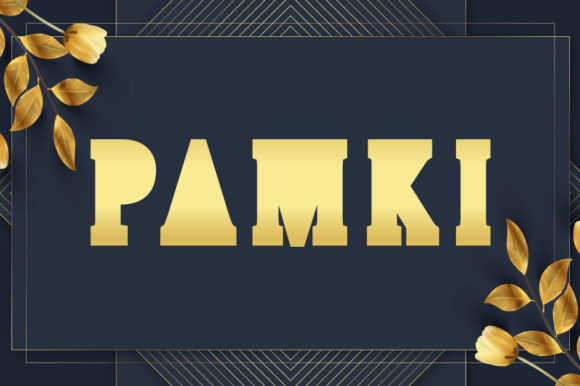
Pamki: A Minimalist Sans Serif Font for Crafters and Product Designers
Pamki is more than just a font—it’s a versatile display typeface that brings elegance and clarity to handmade products, digital designs, and physical merchandise. As a crafter or small shop owner, you know how important it is to have a font that’s both visually appealing and commercially functional. Pamki fits that need perfectly with its clean sans serif lines and minimalist character, making it ideal for everything from greeting cards to product packaging.
Why Pamki Stands Out in Handmade and Commercial Design
The beauty of Pamki lies in its simplicity. It’s a modern sans serif font that avoids unnecessary embellishments, focusing instead on readability and visual balance. Whether you're creating a label for artisan candles or a welcome board for a wedding, Pamki’s clean structure ensures your text remains legible at various sizes. This makes it especially useful for small stickers, boutique tags, and SVG-style designs that require precision for cutting machines like Cricut or Silhouette.
Because of its minimalist aesthetic, Pamki also works well in branding. It gives your products a polished, professional edge that customers associate with quality. If you're selling digital printables or physical goods on Etsy, consistency in your typography helps build brand recognition. Over time, shoppers will begin to associate the font with your unique style and attention to detail.
Practical Uses for Pamki in Your Creative Projects
One of the strengths of Pamki is its adaptability. It’s a display font that shines in both short phrases and larger headers, making it perfect for a wide range of projects. Here are some practical ways to use Pamki in your work:
- Wedding invitations and stationery: Its elegant structure adds a modern touch to formal events without feeling too rigid.
- Product labels and tags: From boutique clothing tags to food packaging, Pamki’s clear letterforms ensure your text is easy to read, even at small sizes.
- Wall art and planner pages: Whether you're printing digital art or designing weekly planners, Pamki’s minimalist style complements a variety of aesthetics, including farmhouse, modern, and Scandinavian.
- Seasonal crafts and holiday packaging: Use it for festive tags, ornament designs, or holiday-themed digital downloads.
- SVG and digital cut files: The font’s clean lines make it ideal for laser cutting or vinyl projects where detail and clarity matter.
How Pamki Enhances Brand Identity and Customer Appeal
Typography plays a subtle but powerful role in how customers perceive your brand. Pamki’s clean, modern look can elevate your product presentation and give your business a more upscale feel. This is especially important when you're selling physical items or digital downloads where first impressions matter.
Using Pamki consistently across your marketing materials, packaging, and social media graphics helps build a cohesive brand identity. Customers will start to recognize your designs, which can lead to increased loyalty and repeat sales. Additionally, because Pamki is a display font, it naturally draws attention without overwhelming the viewer—perfect for headers, logos, and featured text in your creative work.
Readability Tips for Using Pamki in Physical and Digital Formats
While Pamki is designed for display use, it still performs well in smaller formats when used correctly. Here are a few tips to ensure your text remains readable:
- Avoid very small sizes for long text: Pamki is best for titles, names, and short phrases rather than body copy.
- Test with cutting machines: Before printing or cutting, preview your design in your software to ensure all characters are properly spaced and connected.
- Use bold weights for emphasis: If your design allows, choose a bold version of Pamki for headlines to make them stand out more clearly.
- Check mockups before printing: Especially for product packaging or wall art, always review your layout in a mockup to see how the font looks in context.
Font Pairing Ideas to Elevate Your Designs
Pamki pairs beautifully with a wide range of other fonts, especially when you're aiming for contrast or a layered look. Here are some effective pairings:
- With a script or handwritten font: Use Pamki for headers and a flowing script for accents or subheadings. This combination works well for wedding invitations or boutique packaging.
- With a simple serif font: For a balanced, classic look, pair Pamki with a serif typeface in your greeting cards or magazine-style layouts.
- With a bold display font: If you're creating a layered SVG design or a layered poster, use Pamki for clean supporting text next to a bolder, more decorative font.
These combinations allow you to create visual hierarchy while maintaining a cohesive design. Always preview your pairings in your design software to ensure they complement each other without clashing.
What to Know About Licensing and File Formats
If you're using Pamki for commercial projects—whether you're selling physical products, templates, SVG files, or digital downloads—it’s important to check the licensing terms. Most premium fonts come with a commercial license that covers a variety of uses, including printed items, merchandise, and client work.
Pamki typically includes multiple file formats such as OTF and TTF, making it compatible with most design software and cutting machines. Some versions may also include alternate characters, ligatures, or swashes that add extra flair to your text. If multilingual support is important for your shop or audience, be sure to check if Pamki includes extended language support.
Final Thoughts on Using Pamki for Your Creative Business
Whether you're a digital designer, a physical product maker, or someone who sells both, Pamki offers a clean, elegant solution for your typography needs. Its minimalist design doesn’t sacrifice readability, and its versatility makes it suitable for a wide range of projects—from wedding stationery to seasonal product packaging. By incorporating Pamki into your creative workflow, you’re not just choosing a font—you're building a stronger, more recognizable brand identity that resonates with customers.